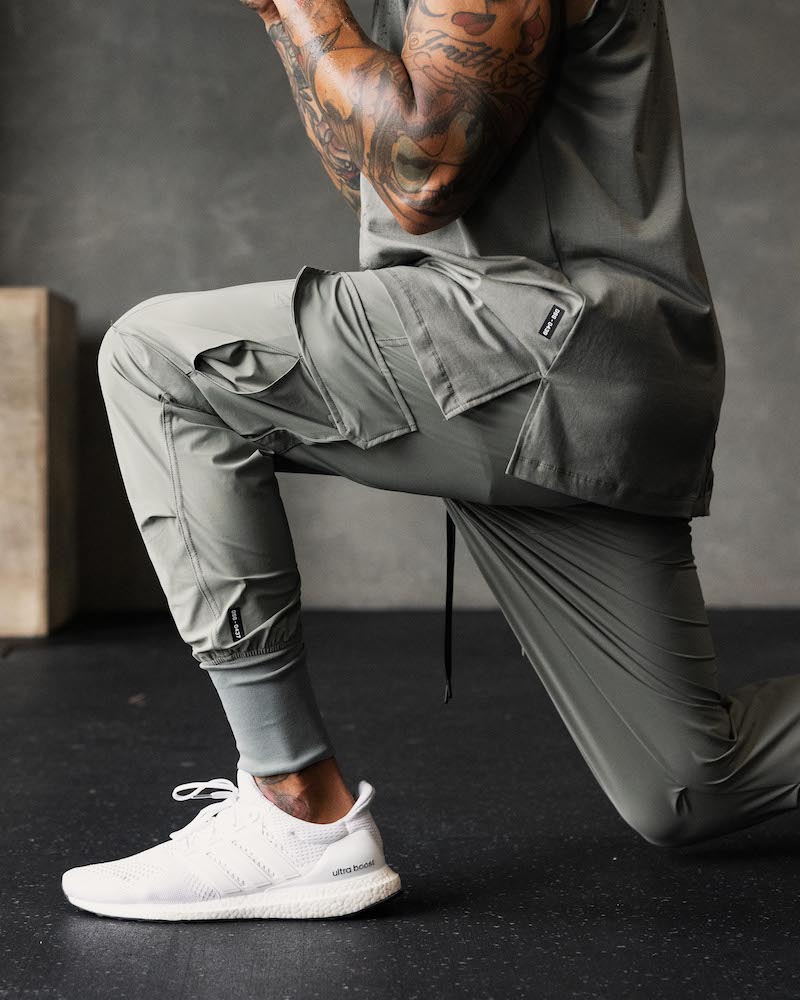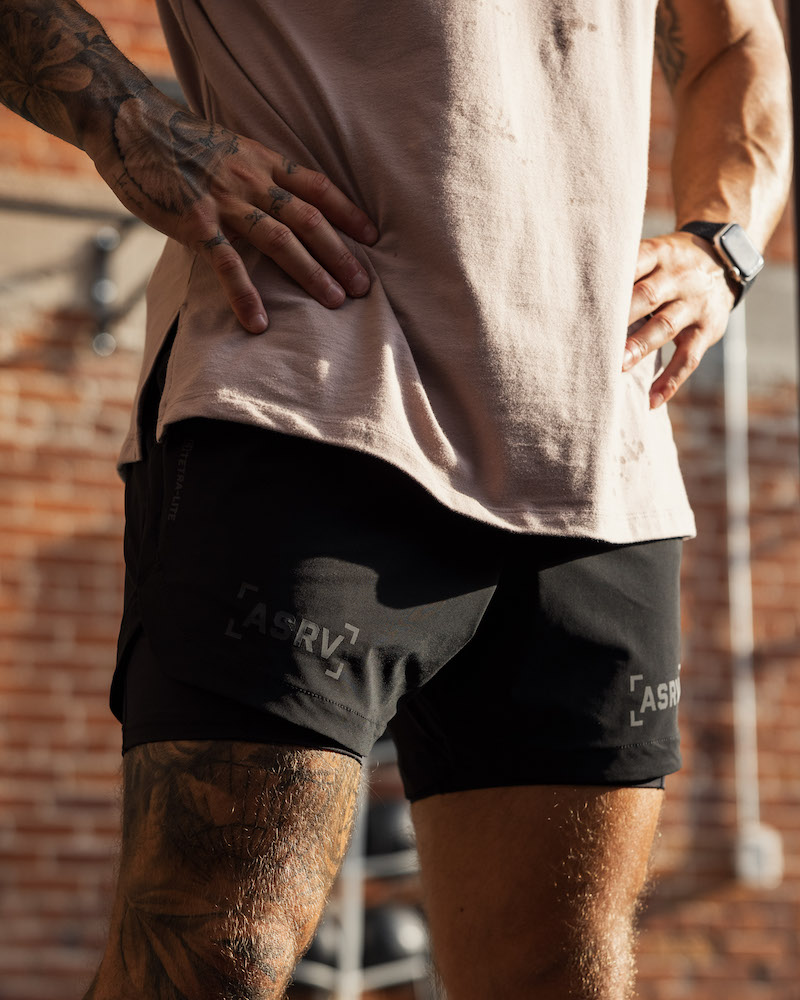

Jay Barton launched ASRV (All-Season Recreation Versatility) Sportswear in 2014 out of a conviction that the men’s activewear market was being badly underserved. He was 23, already two failed startups deep, a dropout from both engineering and design school, and certain that no one was building premium technical gear for the guy who trained four days a week, cared how he looked outside the gym, and wanted apparel that could handle both without compromise.
He identified a gap, kept the product count to six, and let the work do the talking.
It wasn’t his first time running that play.
As a kid in rural Oregon, Barton had learned to screen-print T-shirts, built a distribution network out of his classmates, and kept the operation going until school administrators shut it down. The instinct to find an underserved customer and fill that space with something precise would follow him into every business he attempted afterward.
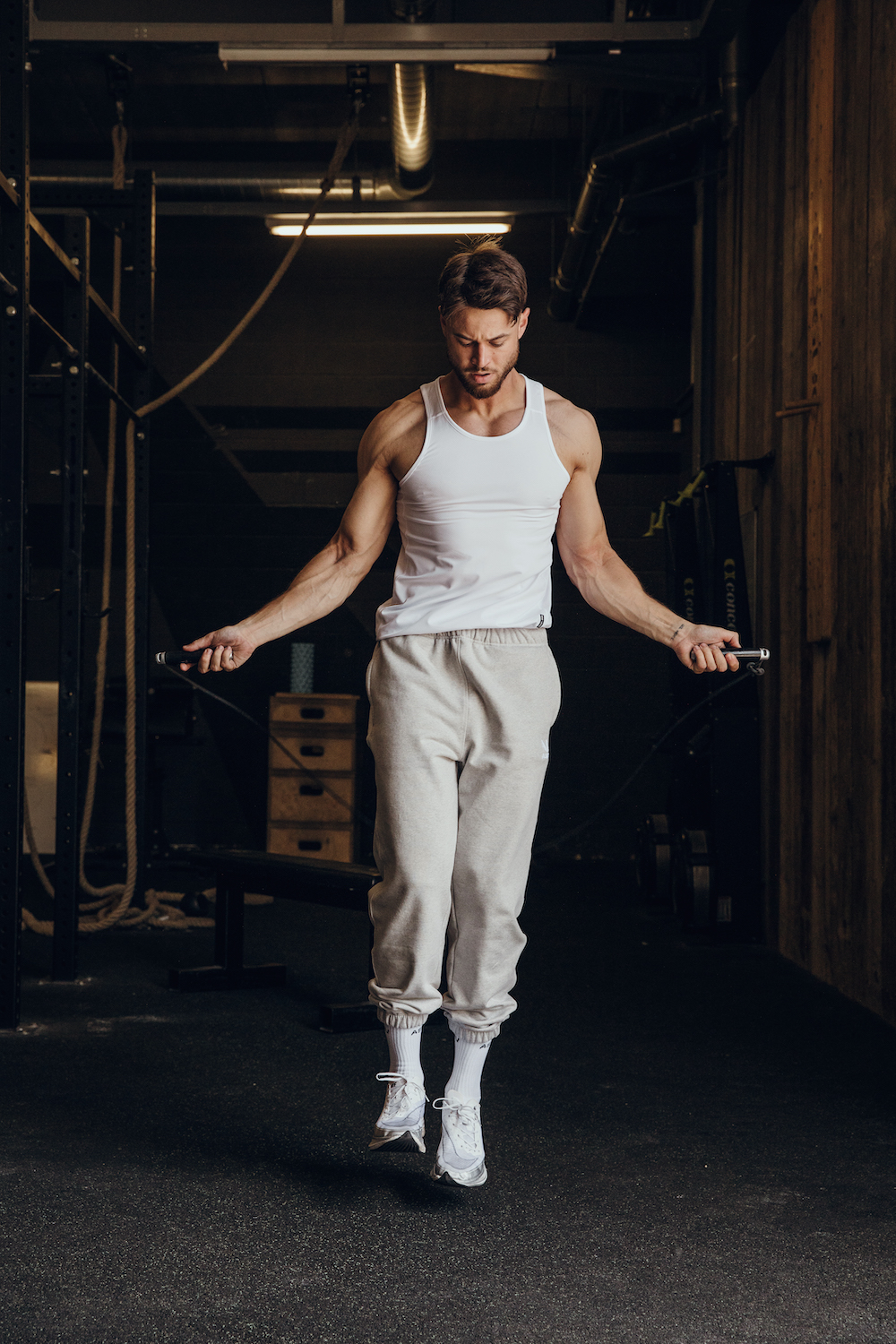
ASRV launched with a basement design session, a handful of slim-fit joggers in muted colorways, and the kind of technical details that sometimes required an explanation. Those first pieces sold out in minutes.
Within the first year, the brand approached $1 million in revenue and had accumulated close to half a million social media followers without a single brick-and-mortar store or traditional advertising spend.
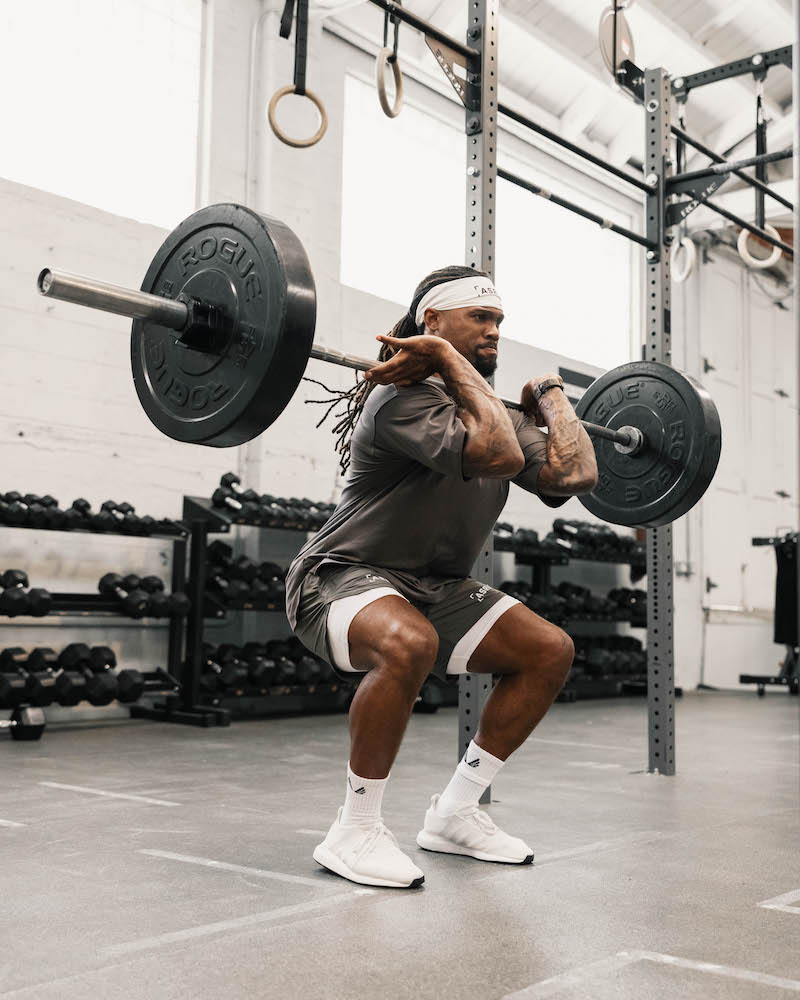
A decade on, the numbers are harder to dismiss. ASRV now counts over 2.8 million fans and followers across platforms, with 1.4 million on Instagram alone — a figure that outpaces competitors like Vuori, Outdoor Voices, and Alo Men despite ASRV operating at a fraction of their capitalization. The brand crossed into 80-plus Equinox locations in 2023 and moved into Nordstrom the same year, expanding from five doors to ten within two months. Barton earned a spot on Forbes 30 Under 30 in 2020. The TikTok account hit 400,000 followers in under a year.
ASRV’s positioning on the competitive landscape — premium price point, technical sportswear aesthetic rather than lifestyle activewear — is the result of Barton’s foundational conviction that the brand serves a specific person rather than a broad demographic. He calls that customer the “Urban-Active” …a man between 18 and 35, living in a metropolitan area, physically training three to four times a week, and motivated less by performance metrics than by a broader aspiration toward growth. The gym is a practice ground for something larger and the clothes reflect that.
Importantly, the materials story backs up the philosophy.
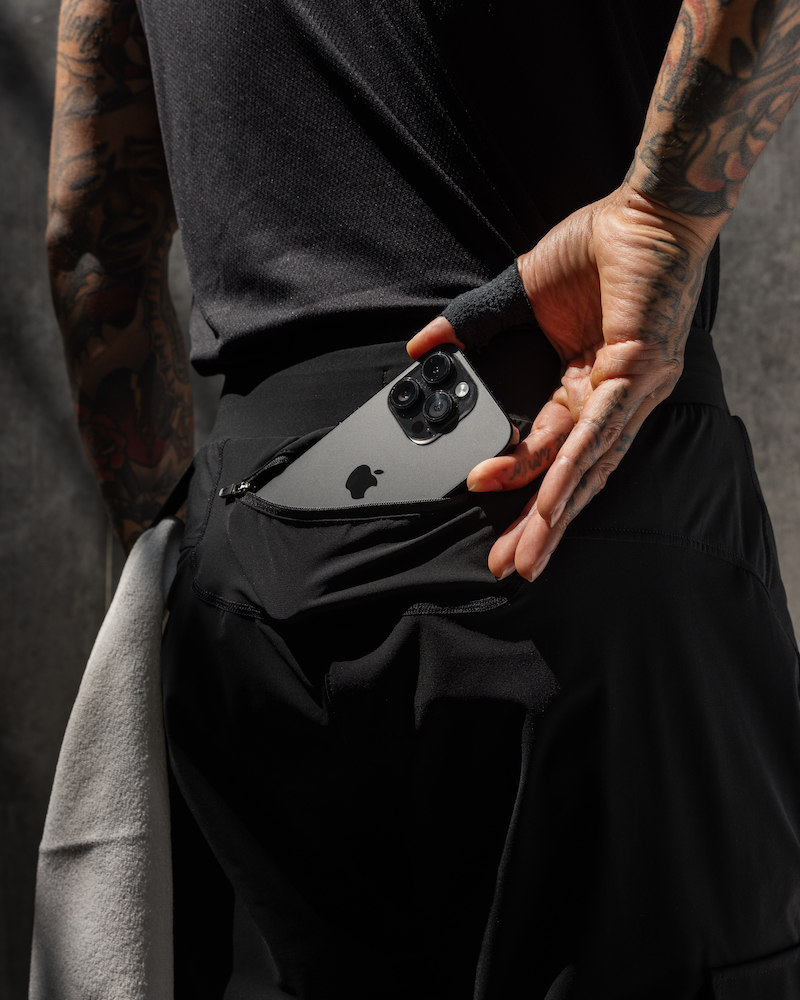
ASRV manufactures exclusively in South Korea, working with specialized mills to develop proprietary textiles that include Tetra-Lite, a fabric that stretches six times in every direction with a built-in water-resistant treatment, along with Polygiene antibacterial technology, Silver Lite’s anti-odor properties, and Kevlar fiber integration that Barton has described as making garments twenty times more durable than conventional alternatives. The Kevlar partnership with DuPont made ASRV one of the first consumer apparel brands to bring the material out of military and industrial applications and into everyday training wear.
Barton trademarked the term “urban training” in 2018, which was either ahead of its time or a description of what his customer was already doing. Either way, the brand’s silhouettes — joggers with reinforced knee panels, chest packs designed for range of motion, outerwear that moves between weight room and street without adjustment — feel like a direct translation of that idea into garments. The aesthetic borrows from streetwear without defaulting to it. It’s technical without being sterile.
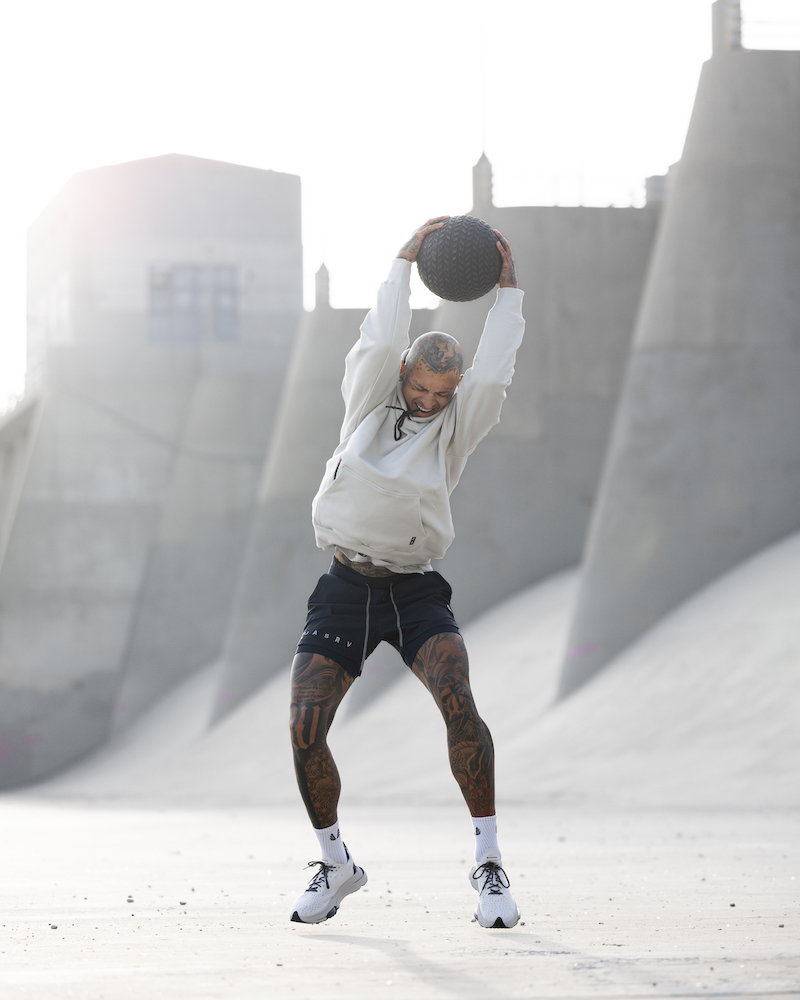
Men’s fashion-forward fitness gear has been one of the more interesting market stories of the past decade, as a generation that grew up wearing Jordan retros to school started expecting the same aesthetic consideration from their training clothes. Lululemon built a billion-dollar business serving that instinct on the women’s side. ASRV saw the same gap on the men’s side and moved into it with a level of fabric and design specificity that most competitors weren’t bothering with. Joggers with reinforced knee panels. Chest packs engineered not to restrict shoulder rotation. Outerwear that goes from the weight room to the street without looking like it came from either. The details are the point.
Barton has talked about the brand’s deeper ambition in terms that articulate something the product alone can’t fully convey: the idea that training is not a means to an end but a model for how to live. The gear is built around that premise. Ten years in, the market seems to be listening.