


We sat down with David Gensler, founder of Vanish Outdoor Magazine, for an in-depth interview on the origins of the brand, the evolution of outdoor culture, and how Vanish became a leading voice at the intersection of nature, design, and fashion.
From Brooklyn to the mountains, Gensler’s perspective has shaped Vanish into what many now consider the outdoor avant-garde—a platform redefining how we engage with the outdoors.
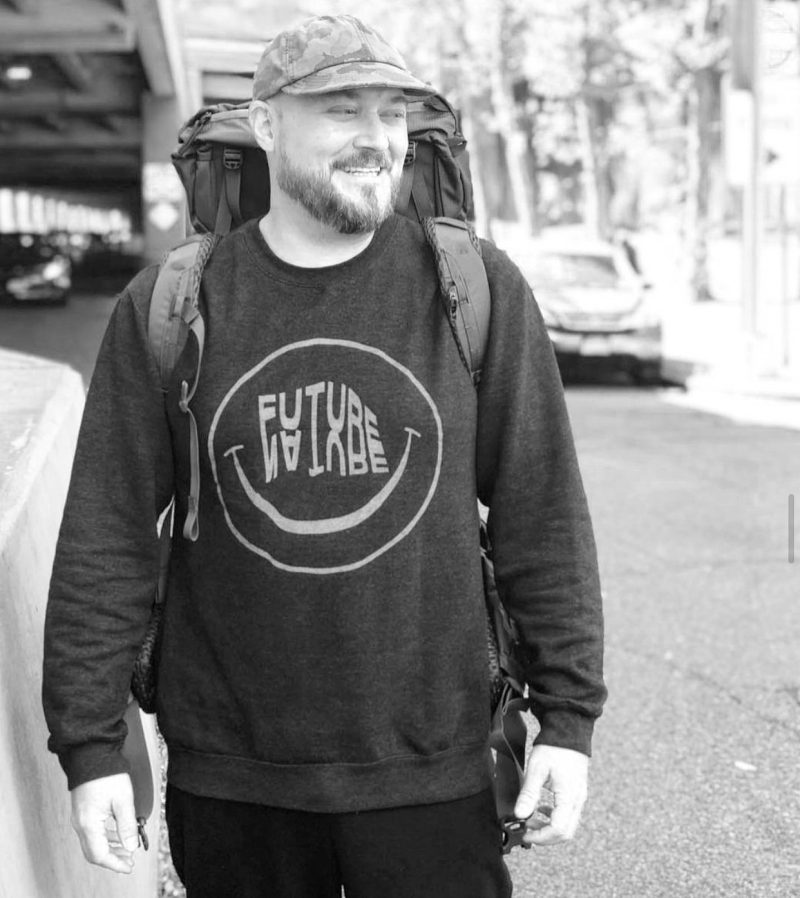
Q: Could you introduce yourself?
I’m David Gensler, a strategist and designer currently living in New York, working on my brand, Vanish.
Q: Can you tell us about the background of Vanish Outdoor Magazine? When and why did you start it?
It was 2013, and I was walking to an Agenda trade show with the show’s founder—and my friend—Aaron Levant. I had just rebuilt the Leica Camera brand and helped facilitate the sale of Hasselblad to DJI. I was planning to take a break in my career to spend time in nature—fishing, being in the mountains, slowing things down.
The show was filled with outdoor brands like Poler, and something clicked. That night, I dreamt up Vanish as a platform to inspire people to engage with nature. At that moment, I wanted a kind of “Hypebeast for outdoor culture”—but it didn’t exist. So I created it.
At the same time, I was constantly looking at GO OUT magazine from Japan. I remember thinking, I’m either going to have to learn Japanese… or create my own outdoor culture magazine.
Q: You were living in Brooklyn at the time. Will Vanish Outdoor Magazine always sit between urban culture and nature?
Yeah, I spent most of my adult life—and early career—in Brooklyn. I love New York City, but my soul craves nature too much to have both feet planted in the city all the time.
Vanish will always exist between those two worlds. One foot in urban culture, the other in the outdoors—that’s our DNA.
Q: How has the Vanish brand evolved over the years?
For a long time, I was doing it solo. I was involved in other major projects, so I wasn’t fully focused on Vanish—but it was always my main passion.
Over time, I started dedicating more energy to it. I was also spending more time in nature personally, which naturally fed into the brand.
Then in 2017, I randomly met my partner, Dana Gleason, in Bozeman, Montana—and he kind of kicked my ass into gear.
Q: What do you mean by that?
He asked me what Vanish was, and I said, “We are the invasive species of the outdoor industry. We don’t fit in, and we don’t feel like we belong.”
He laughed and said, “You don’t. But that’s exactly why we need you.”
That stuck with me. I took that energy and got focused. We started experimenting—products, brand extensions like FishThing (angling culture), Landscape (hats), and collaborations with The North Face and Mystery Ranch.
In 2019, we partnered with ISPO to launch The Borderlands. It was a massive exhibition—a three-tiered city we built out of industrial scaffolding, featuring brands from around the world that represented our vision of cutting-edge outdoor culture and design.
It was a defining moment for Vanish Outdoor Magazine.
And then, not long after, COVID hit.
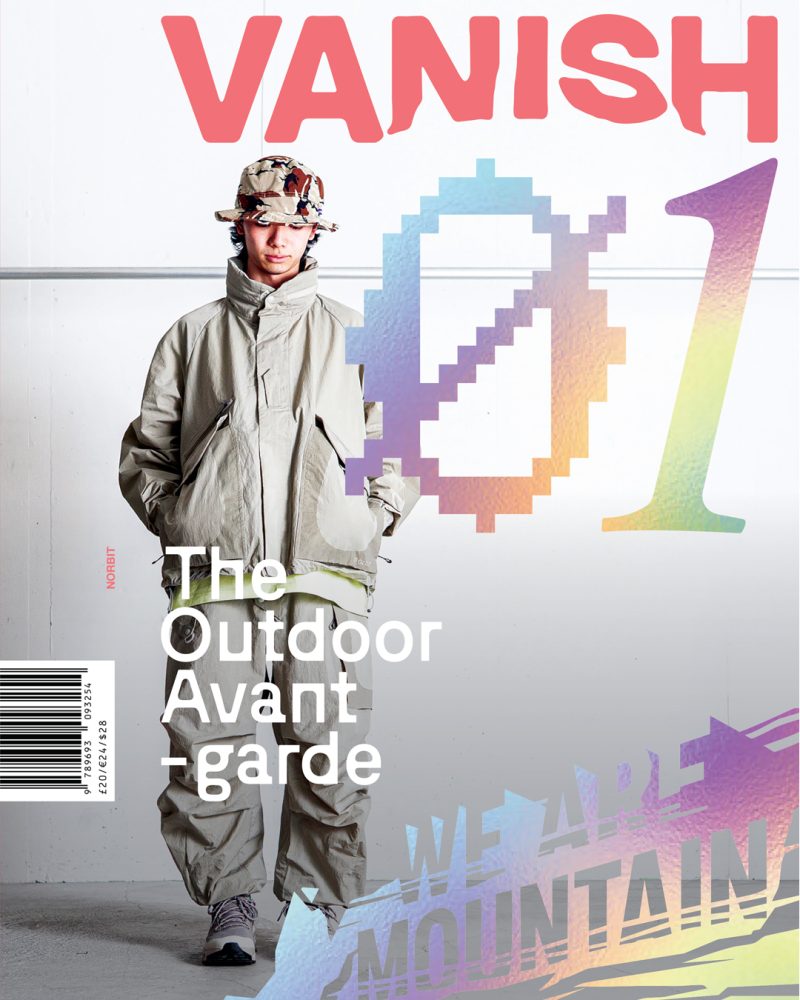
Continue the David Gensler Interview. This David Gensler interview explores how Vanish Outdoor Magazine is redefining outdoor culture.
This is Part 1 of our interview with David Gensler, founder of Vanish Outdoor Magazine.
In Part 2, Gensler explores design, authenticity, technology, and the future of outdoor culture.
→ Continue to Part 2 of the David Gensler interview
