


This story originally appeared in POWDER Magazine. By Aaron H. Bible
In a way that was difficult to put into words when I spent three days hiding out here this past ski season, Sundance is as unique a ski area as you can imagine, a spot that feels as much like home as it does a private club, a small area if you look just at the numbers, but with ski-ability and soul and vistas that make it feel larger than life.
As these things are often more feelings than fact, Sundance resonated with me as not just a skier, but as an artist, an environmentalist, a foodie, an outdoorsman, and a human. It’s a place that, once you arrive, you simply want to stay.
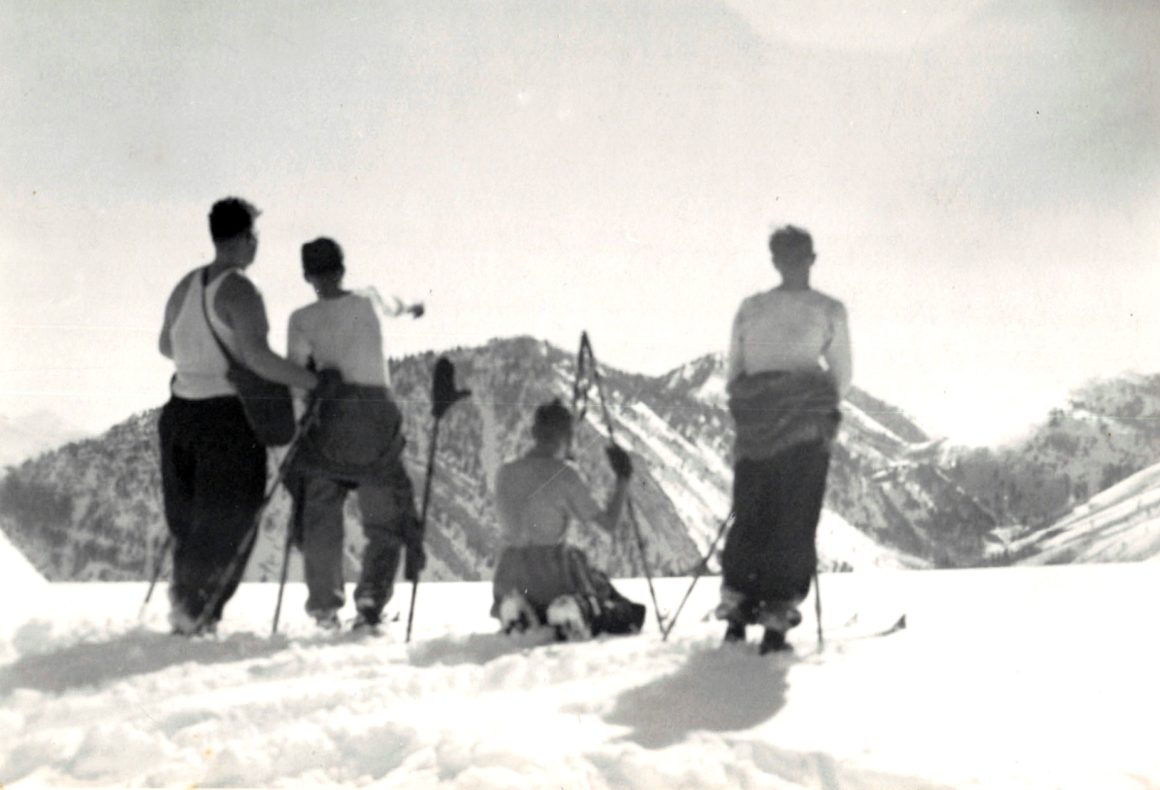
Sundance founder, legendary actor, director, author, and adventurer Robert Redford had that same visceral response when he laid eyes on this valley in the late 1950s, and he was fortunate enough to acquire a large swath of property, including the Timp Haven ski area, in 1969, which he called Sundance. Redford’s goal was to preserve a natural sanctuary for the arts, to preserve the land, and imbue a sense of reverence for the Native American (primarily Noohchew Ute, the Shoshone, Paiute, Goshute, and Navajo) peoples who inhabited this region, as it is their ancestral home. Although it’s less than an hour from Salt Lake City International Airport, and the closest ski area to the Salt Lake and Utah Valley as well as being the fourth oldest ski area in Utah, Sundance somehow feels removed from the hustle and bustle of everyday life.
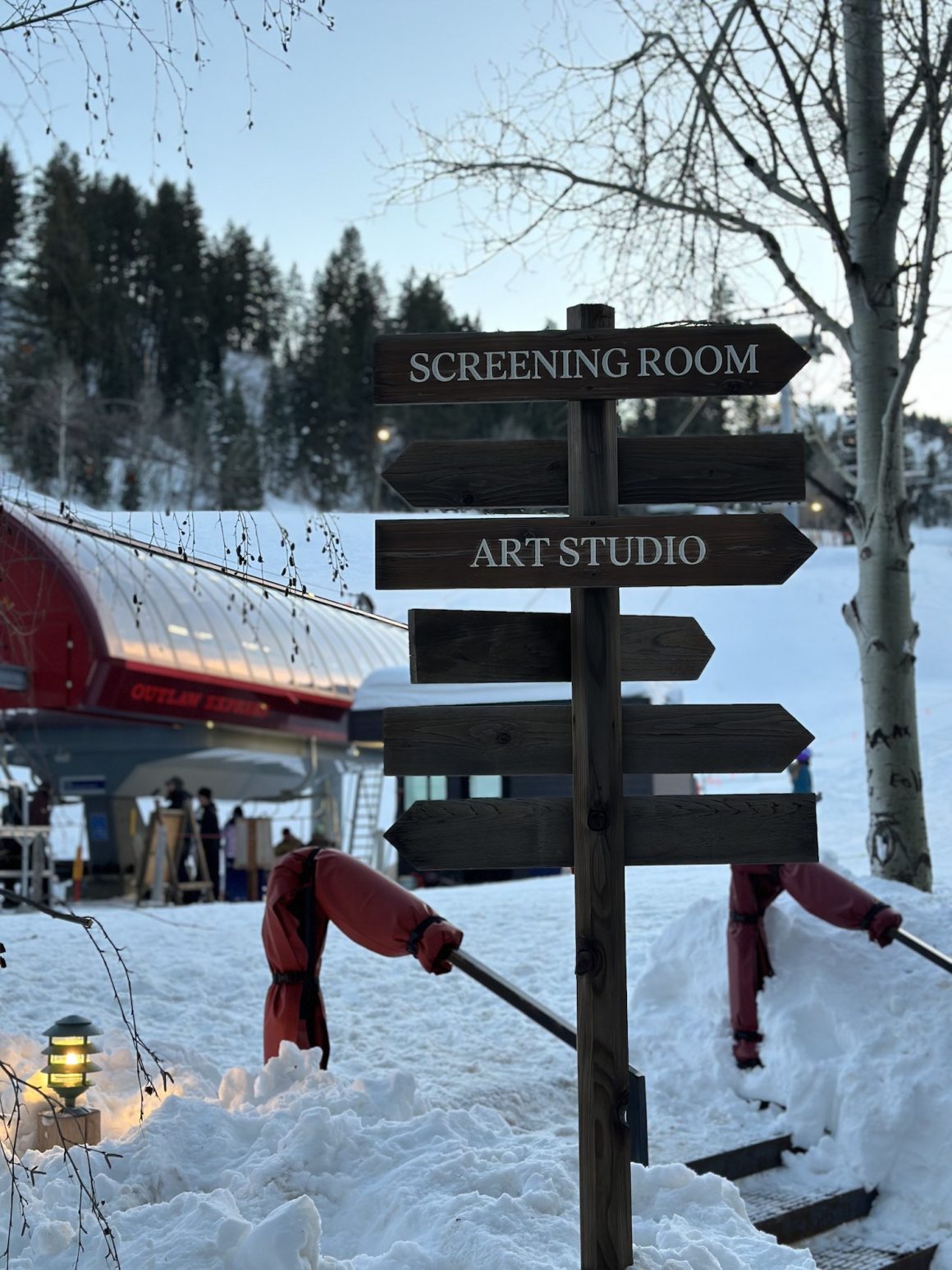
According to the resort’s Field Guide that each overnight guest receives, Sundance is driven by a belief in the natural world and the land, a belief in the creative spirit, and a belief in coming together, gathering people for recreation and art, “united by nature and its call.” Additionally, the resort is powered entirely by renewable solar energy, generated in-state, powering the chairlifts, restaurants, lodging, and other facilities. “Here is physical and mental open space,” continues the Guide, “to explore, discover, relax, create, and find [or lose] yourself.” Rejecting advice from investors, Redford saw the land as an ideal spot for “environmental conservation and artistic experimentation.” In 1981 the Sundance Institute was founded, and writers, actors, directors, and artists have been inspired here. In 1997 he built the Art Studio, and at one point he thought every guest should be required to take an art lesson — a tradition that remains, although optional, it’s highly encouraged and complimentary. The Glassblower Studio transforms recycled glass into art pieces, vases, wine glasses, dinner plates, and pitchers used and sold throughout the resort. I also took full advantage of daily yoga, held in a peaceful yurt off the walking path by the creek.
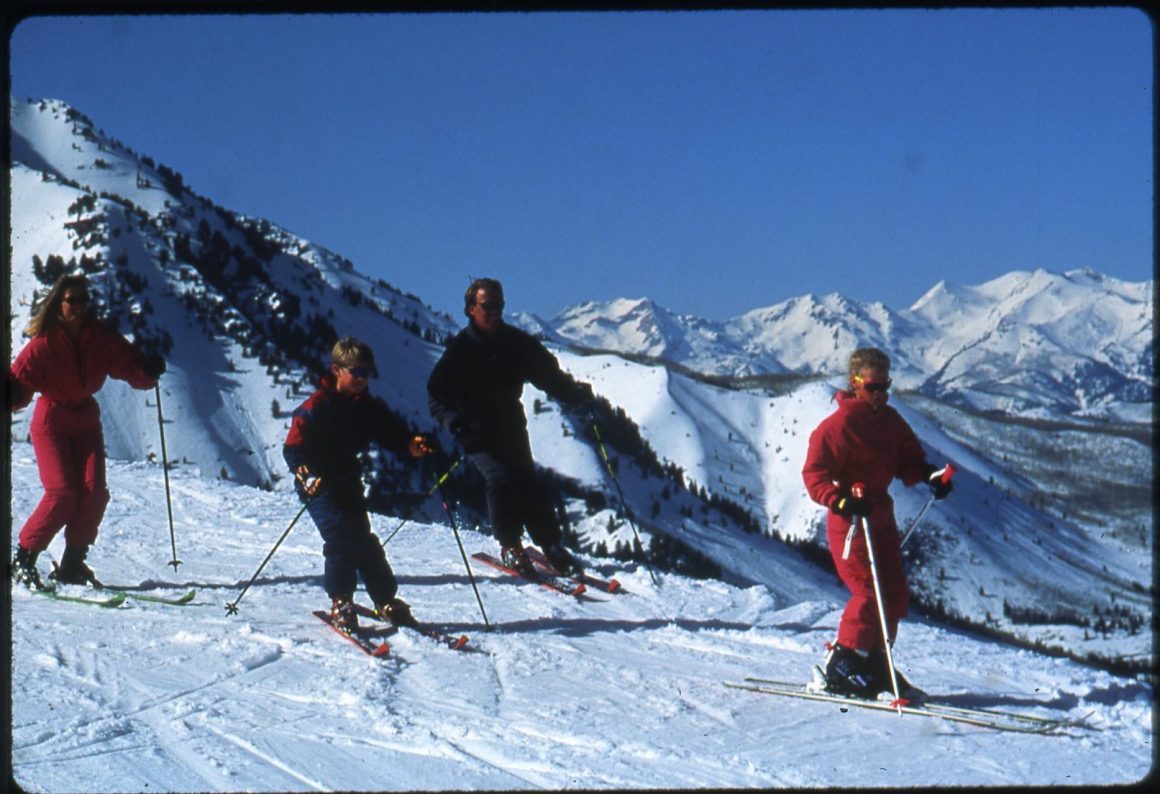
From a skier’s perspective, forget the stats for a moment and understand that Sundance leaves you wanting nothing. With one of the first mountain top lodges in the state, resting under the watchful eye of 11,600-foot Mount Timpinogas, it’s one of those small family-friendly resorts that skis way bigger than it is on the map, its charm rooted in both its seclusion and accessibility. And regardless of acreage or snowfall, Bishop’s Bowl and the adjoining Far East Chutes remain some of the best skiing in the state hands down; with plans to open an additional 300 acres of in-bounds terrain over the next two to three years. Sundance also boasts a year-round zip line (the highest, most expansive, and longest in the country), summertime access for mountain biking including miles of improved flow track, guided fishing on the Provo River, and more. For a small cost you can extend your season pass for mountain biking, and they’ve invested heavily into downhill and cross-country trails. Sundance Mountain Resort offers three options for riding—a season pass, the S-card, or daily lift tickets.
It’s just different, magical, whether you are there for a ski day (hint: Sunday mornings are empty), a concert, a conference, or an anniversary dinner, you feel blessed, and also that there’s a bit of responsibility on each visitor to treat the land with respect, with a subtle nod to a simpler time. Redford envisioned careful growth of the property, of a place “committed to the balance of art, nature, and community.” I’m not sure there’s any other ski resort in the world that has something this simple and beautiful as its stated mission.
With Mount Timp to the west (the second-highest peak in the Wasatch at 11,752 feet) and the North Fork Ridge to the northeast, the views from the famed Bearclaw Cabin are definitely some of the best of any of the 15 resorts in the state, overlooking 360-degrees of Heber and Utah Valley and the surrounding Wasatch. They’ve also got some of the top longevity amongst employees in the ski industry, and Mountain Maintenance Director Jerry Hill might just be the longest standing employee in the ski industry continuously at one resort, beginning his tenure in 1958. President and General Manager Chad Linebaugh isn’t too far behind him either, ringing in 30 years this summer.
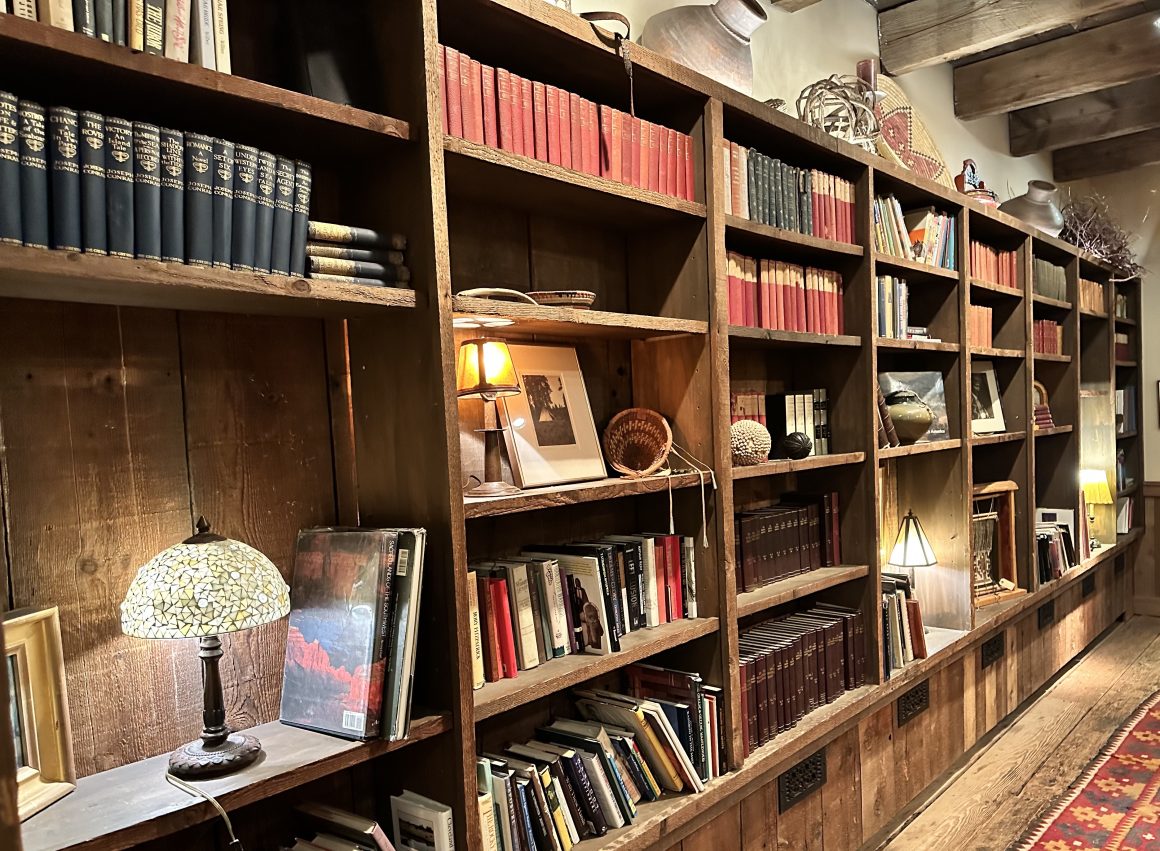
Linebaugh started as a breakfast waiter in 1994, at 22 years old. “Everything at Sundance starts from this authentic, independent spirit. Everything has to be real,” he began to explain over a beverage at the Owl Bar, once frequented by Butch Cassidy. “There’s a feeling of having the mountain to yourself…even if you’re not from here, you feel like it’s yours, it’s welcoming. It’s got all the terrain you want without any of the hassle.” I was captivated by his and other employee’s passion for this special, undiscovered, and off-the-radar resort. Redford himself documented some of this history and more in his book The Outlaw Trail, published as part of a National Geographic grant in 1978. The collections of Hollywood memorabilia, as well as Native American art and artifacts, are worth the trip alone.
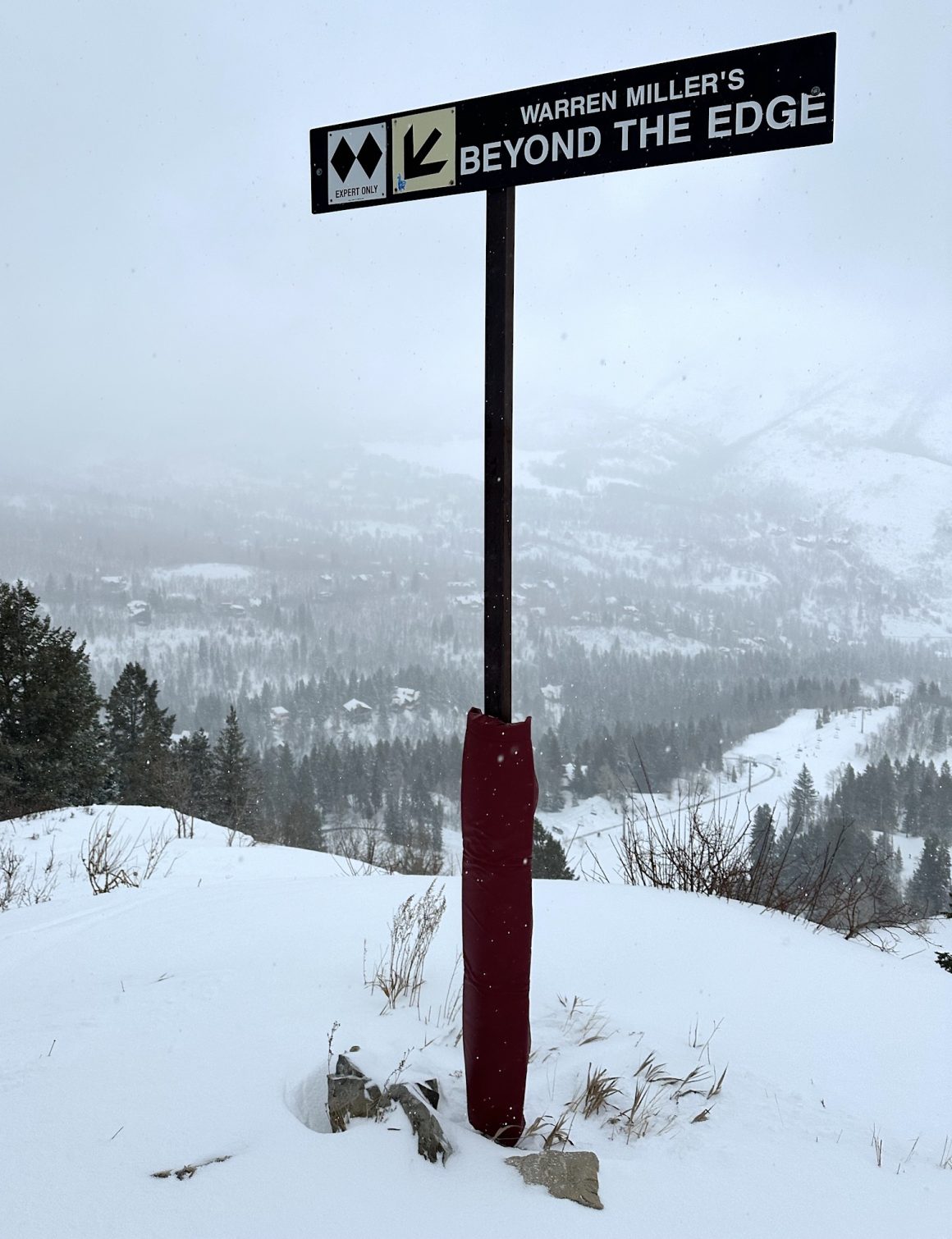
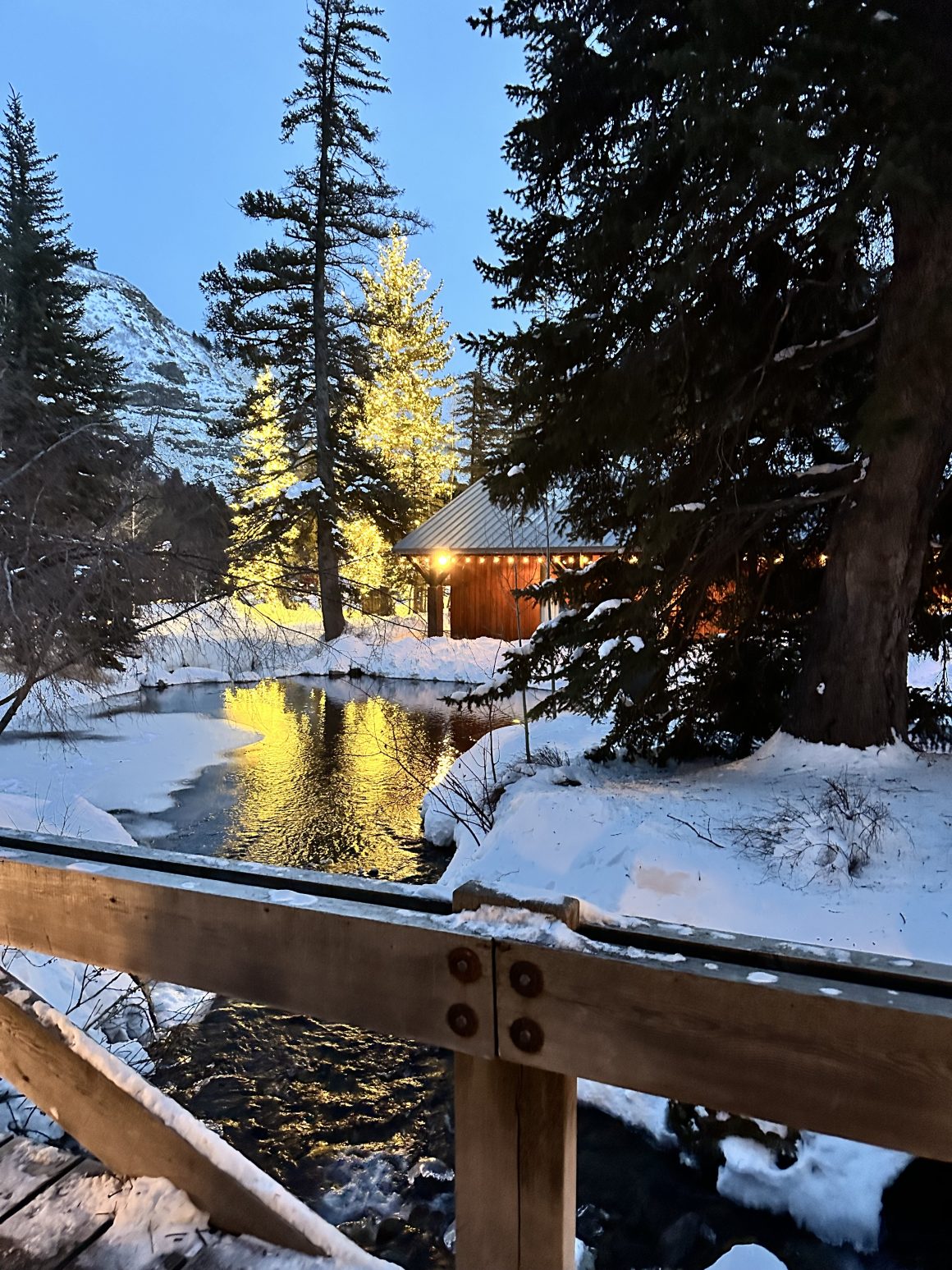
I skied the whole mountain with new friends and by myself, and with fresh snow coming in daily, I was far from bored, lapping the four modern lifts depending on what I felt like skiing on any particular lap, from steeps to glades to bumped out gullies and groomers. In fact, there were plenty of times I was fully tips up, totally stoked, and in awe of the views and the variety of terrain. Yet my cozy cabin was just a stone’s throw away, a lovely snowy path winding from the welcoming collection of cabins and modern buildings making up the base area, past the soaking pools, and up a short hill to my own little time machine back to a simpler era of skiing and taking in the natural environment around me.
The Dining at Sundance is Second to None
The passion behind the dining scene at Sundance is just as contagious as the on-mountain enthusiasm, and it boasts one of only three four-star restaurants in Utah. In 1970, Redford built the first building at Sundance Mountain Resort which he called The Tree Room, a cabin constructed around a living tree. Discerning guests enjoy a softly illuminated fine dining atmosphere surrounded by artwork from Redford’s private collection.
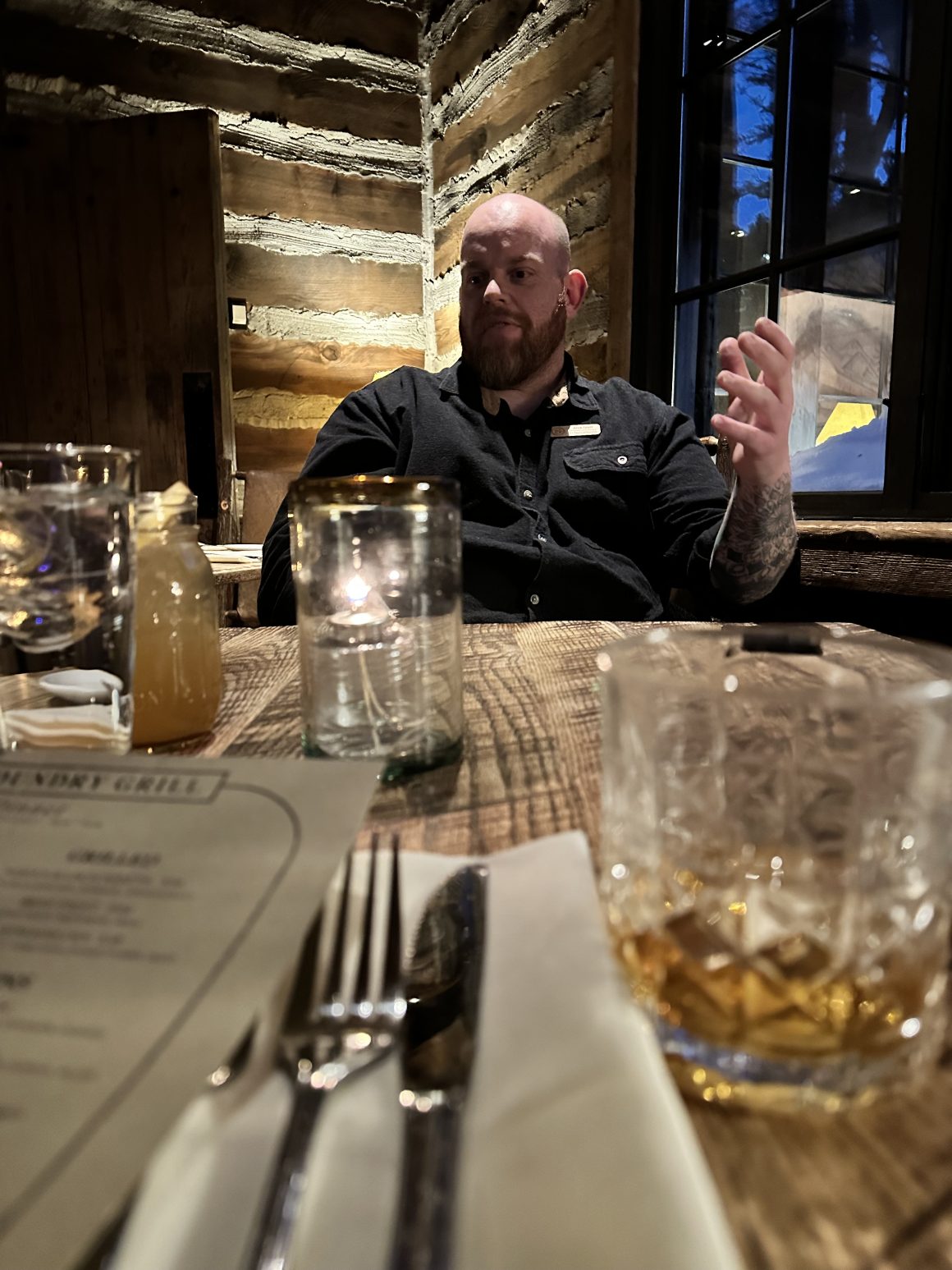
Chef Alex Azatt, Sundance Director of Culinary, and I chatted for a long time about the “sacred space of the dinner table.” He said his goal coming up had always been to work at Sundance, for the people, and his love of being able to serve people. This is truly localized eating, at one of the most historic and welcoming restaurants in the state, “the gather time,” he says, “the essence of being around the table.” And I felt that at both the Tree Room and the Foundry Grill.
For something nice but more laid back than the Tree Room, the Foundry offers the freshest foods cooked to order for breakfast, lunch, and dinner; and the slopeside Lookout is also open year-round for classic skier fare and bevies. The restored 1890s bar in the ultra low-key Owl Bar was moved from Thermopolis, Wyoming, to Sundance Mountain Resort in 1994. The Deli is also a small grocery store and coffee shop at the base, featuring a variety of made-to-order sandwiches, salads, house-made baked goods, smoothies, and coffees. Water comes from local mountain-fed springs and conservation is highly encouraged, with no single-use plastic water bottles on property. Also of note, they keep most employees on year-round, building even more loyalty and trust in the brand.
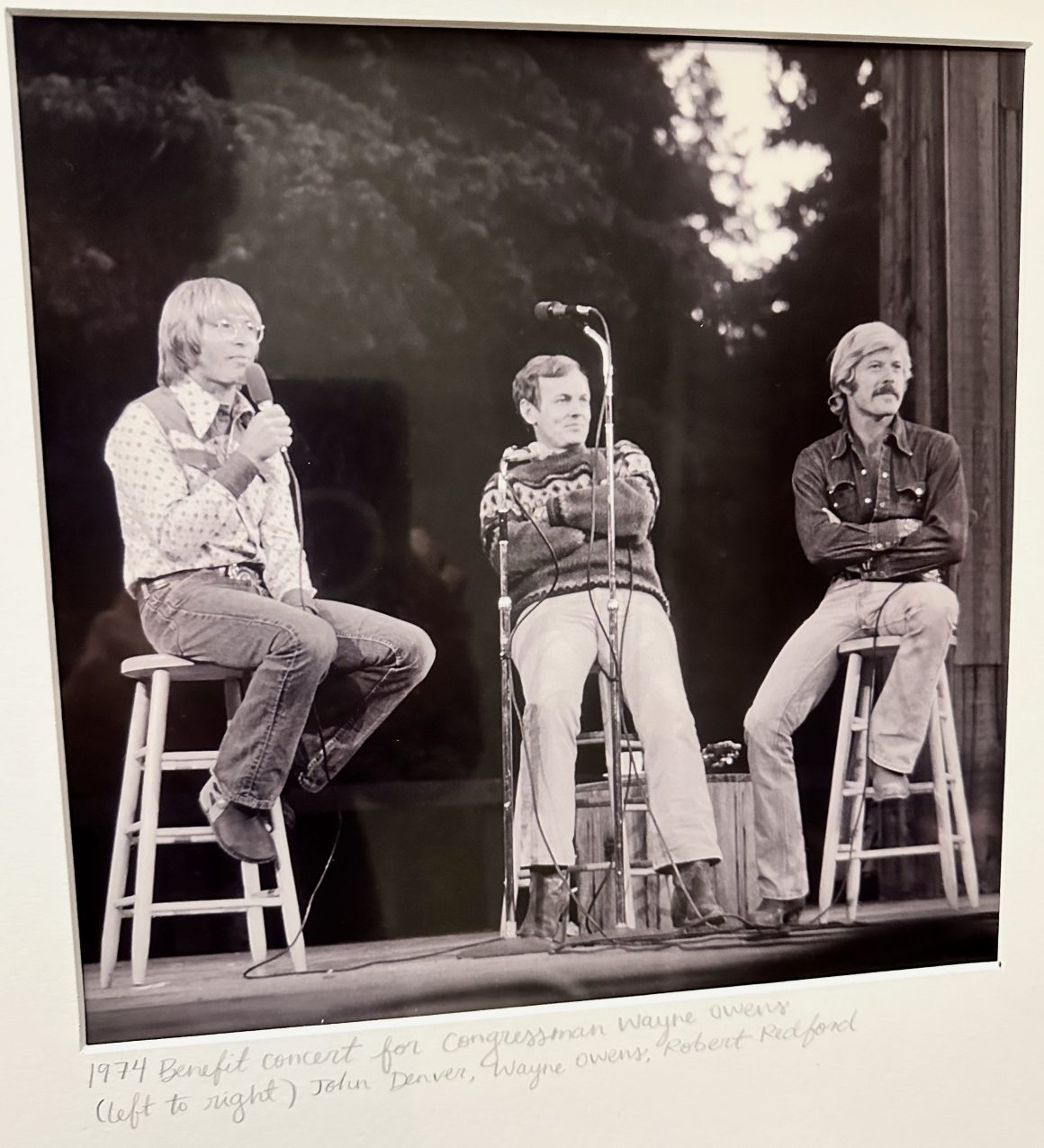
From July to August Sundance rolls out 1500-seat The Amphitheater, and the 22-year-running Bluebird Cafe Concert Series features some of Nashville’s best singer-songwriters and musicians, in partnership with the renowned Bluebird Cafe and an exclusive agreement with the state of Utah. Each show features three artists who sing and tell the stories behind their songs, five weekends in the summer and two in the winter.
“When you see something that is not right, and you have a voice, you should speak up. Silence is complicity” — Robert Redford (1936 – 2025)
