

Sometimes I like to show up at a new destination having done no research whatsoever. Not always, but I appreciate the sense of new eyes, the experience unclouded by someone else’s report or opinion.
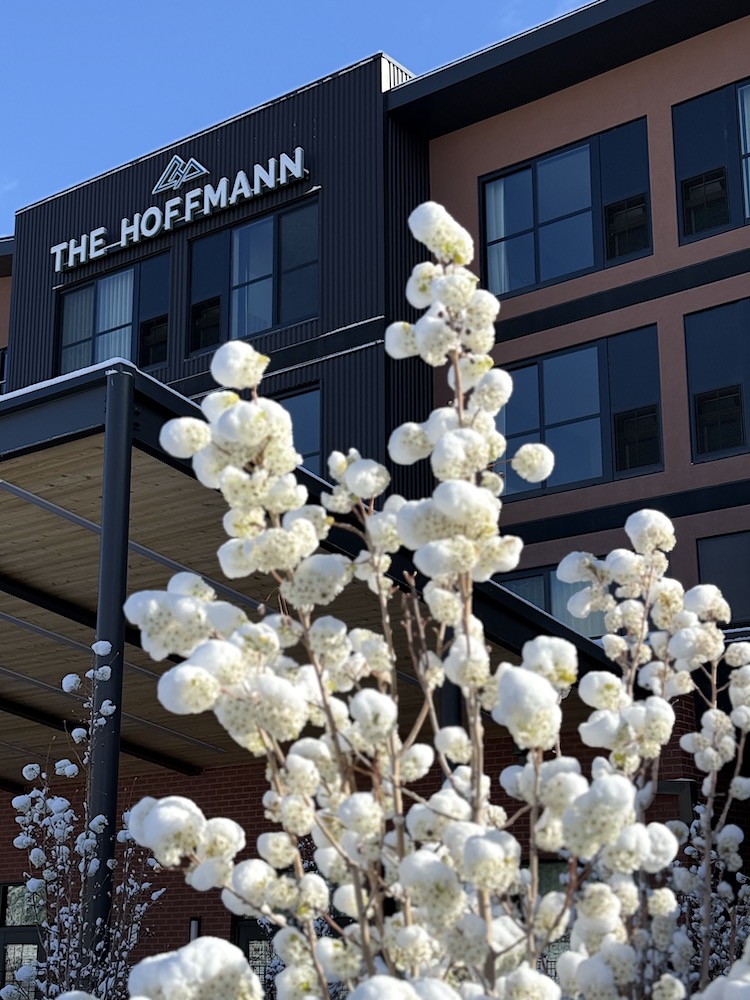
So when the Hoffmann Hotel reached out to me to see if I wanted to come up and check out their new hotel, I was genuinely excited to do something different in a location I already knew well. I was also able to visit an other iconic property in Aspen that I had always been curious. Keep reading.
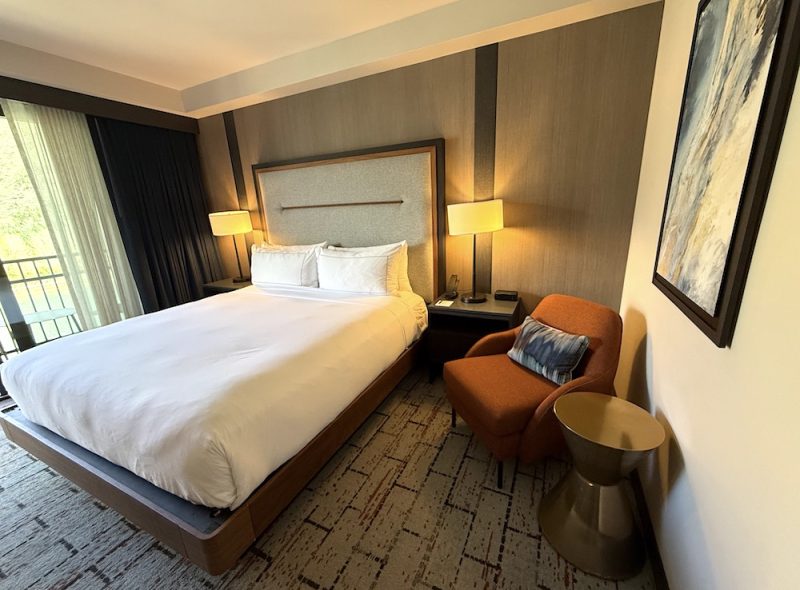
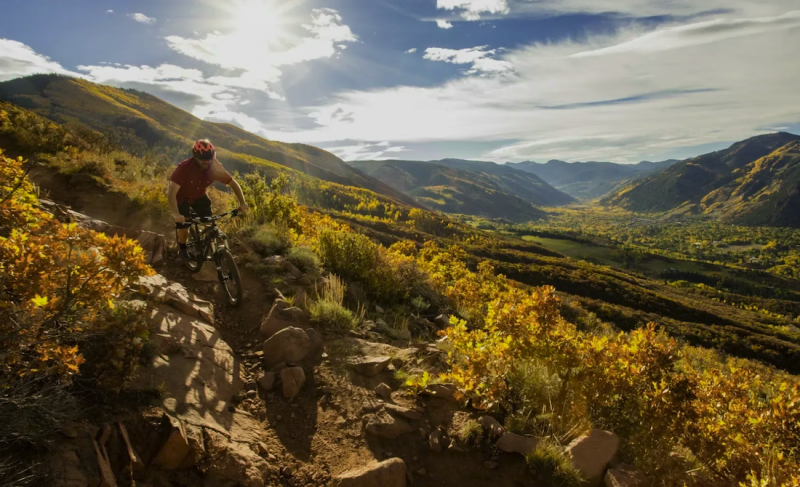
What I found was a 122-room property sitting quietly in the middle of the Roaring Fork Valley, called Aspen Junction until 1895, and one of the more sensible mid-valley lodging options to date. To the south the four mountains of Aspen Snowmass are all within a half-hour drive. To the north/west, the Roaring Fork runs into the Colorado River at Glenwood Springs, 20 miles down-valley — home to some of the best floating and fishing in the state, hot springs, and with Carbondale and the rest of the central valley’s restaurants and recreational opportunities closer at hand. Rates start around $258 a night.
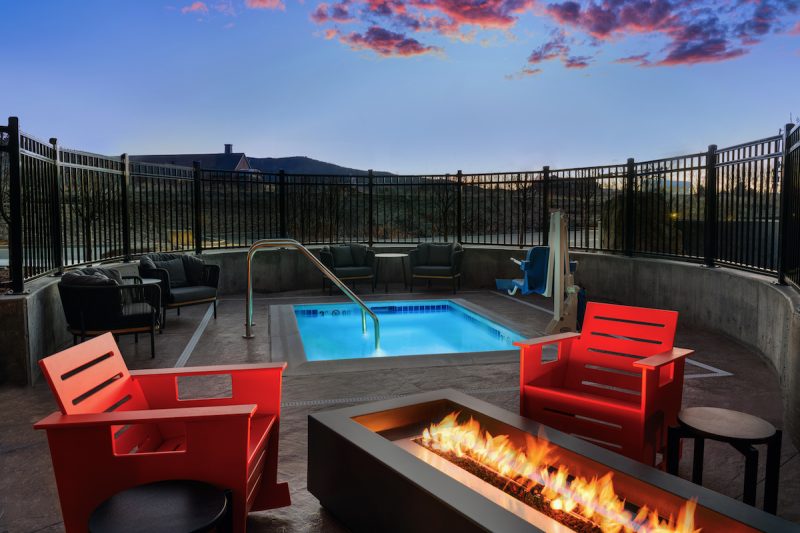
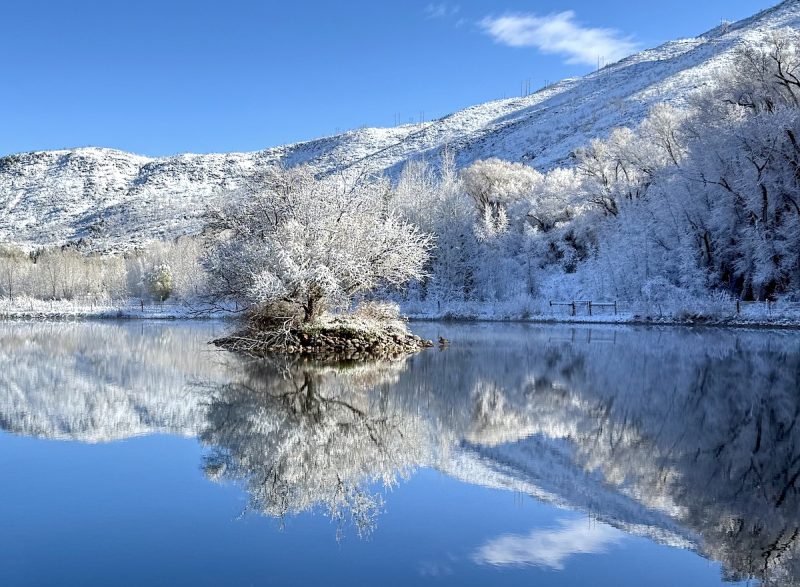
The hotel sits on Kodiak Lake in the Willits and Tree Farm development, a modern yet rustic little area that wears its Hilton affiliation lightly, including an off-leash dog park and swimming beach out back and in the mornings I ran the paved one-mile loop around the lake behind the hotel, flat and peaceful. It’s a base camp where you can stretch out a bit out of the fray.
A short walk right under Highway 82 and you’ll find Whole Foods, restaurants, and shops. The hotel runs a paid on-call shuttle to Aspen-Pitkin County Airport and the ski areas between 6 a.m. and 11 p.m., and RFTA’s electric bus system handles the valley corridor for $2 – $4 from Willits depending on where you’re headed. Ski and bike storage is on site along with plenty of parking ($15/day). The hotel staff can point you toward fishing, hiking, biking, or whatever the Roaring Fork Valley has to offer in the current season.
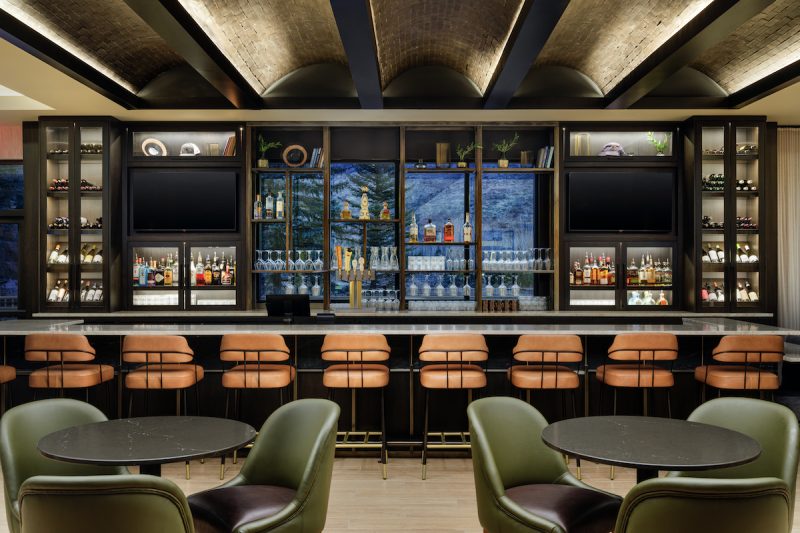
The Hoffmann House restaurant handles breakfast and dinner with a casual European-inspired approach with little of the performance that inflates Aspen’s dining. The salmon with pesto orzo has earned its reputation in the reviews and I loved the lemon Parmesan wings. The bar runs happy hour from 4 to 6 p.m. daily, often with live music and a lively local crowd.
Aspen One
Aspen is one of the few resort destinations I’ve been to in the world that looked squarely at what it was becoming and decided to try and manage itself rather than simply be consumed by its own growth or reputation. The Aspen Chamber Resort Association launched its Destination Management Plan in 2022 with three pillars: address visitor pressure, enhance the Aspen experience, and preserve small-town character, a community-built framework developed from 1,300 resident surveys, town halls, and stakeholder input.
The city has set a target of 100% carbon emissions reduction by 2050. Free transit has been running since 1993; car trips into Aspen have dropped 10% since then even as the valley’s population has grown substantially. RFTA’s zero-carbon electric bus system now connects the entire corridor.
In July 2024, Aspen earned Mountain IDEAL certification through the GSTC-accredited Green Destinations body following a rigorous onsite assessment, making it one of a handful of mountain destinations worldwide to hold the designation. The city runs entirely on renewable energy, a mix of approximately 50 percent wind, 45 percent hydropower, and five percent solar and landfill gas. Eight free shuttle routes serve more than one million residents and visitors annually, RFTA operates eight battery-powered electric buses on city routes, and We-Cycle launched in Aspen in 2013, making it the first resort town in the country with an official bike-share program.
Passengers flying into Aspen-Pitkin County Airport can offset their flight emissions through The Good Traveler program, with proceeds directed to local conservation organization Wilderness Workshop. Aspen has appeared on the Green Destinations Top 100 Stories list three consecutive years and was named among CNN Travel’s ten most sustainable ski resorts in the world.
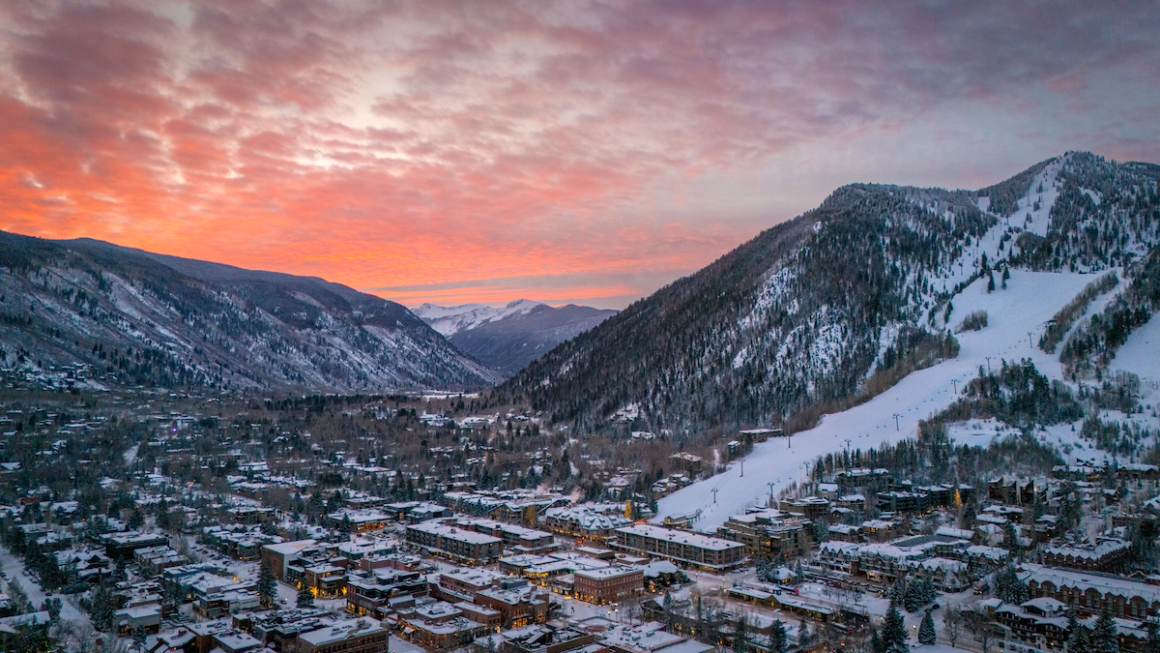
The four mountains — Aspen Mountain, Snowmass, Aspen Highlands, Buttermilk — now operate under the collective banner of Aspen One, and the unified vision behind them is one of the more enviable post-COVID plays in the industry. Five thousand six hundred and eighty skiable acres, more than 40 lifts, over 410 trails. The crown jewel is perhaps Aspen Mountain itself, rising straight from downtown Aspen with terrain that runs from iconic bumps and steeps to powder-stashes in trees and a legendary fashion and après scene. Snowmass is the largest of the four, with more than 3,300 acres and seven on-mountain restaurants. Both are within 30 minutes of the Hoffmann’s front door.
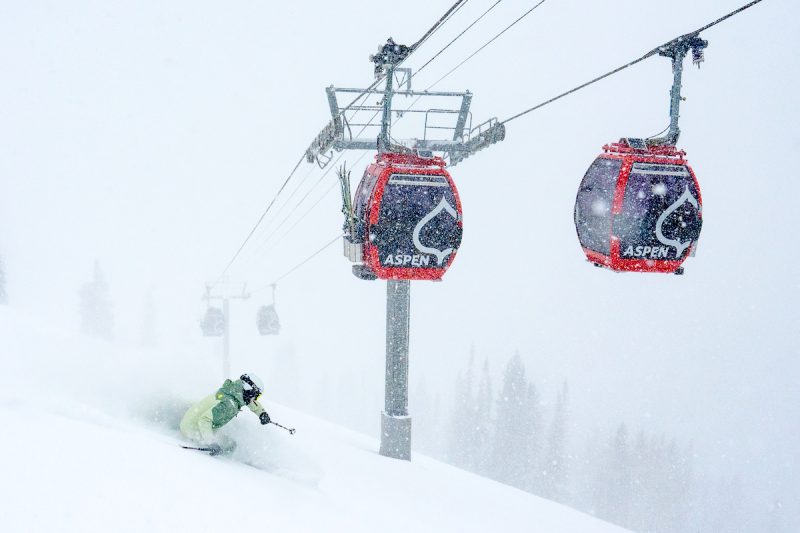
The skiing and ski touring/mountaineering in the Aspen Valley is some of the best and most breathtaking in the world. Highlands remains uncrowded, serious, a mountain that rewards skiers who seek it out. Snowmass is where I learned to ski, and there’s a reason people come back to Snowmass for decades and keep bringing their kids.
The Hoffmann sits close enough to reach everything in the Valley, yet far enough to cost less and breathe a little bit.
—The Hoffmann Hotel Basalt Aspen, Tapestry Collection by Hilton: 30 Kodiak Dr., Basalt, CO. thehoffmannhotel.com
The Bauhaus Came to Aspen
Most visitors to the Aspen Meadows Resort—sitting on a sprawling 40 acres in the quiet West End of downtown Aspen, and home to the largest standard guest rooms in town—come for the Aspen Ideas Festival, and of course the skiing. But what most visitors to town miss is that the resort is actually one of the most significant design campuses in the American West, a veritable home for the Bauhaus movement, representing the life’s work of Herbert Bayer, the man who brought European modernism to the mountains of Colorado.
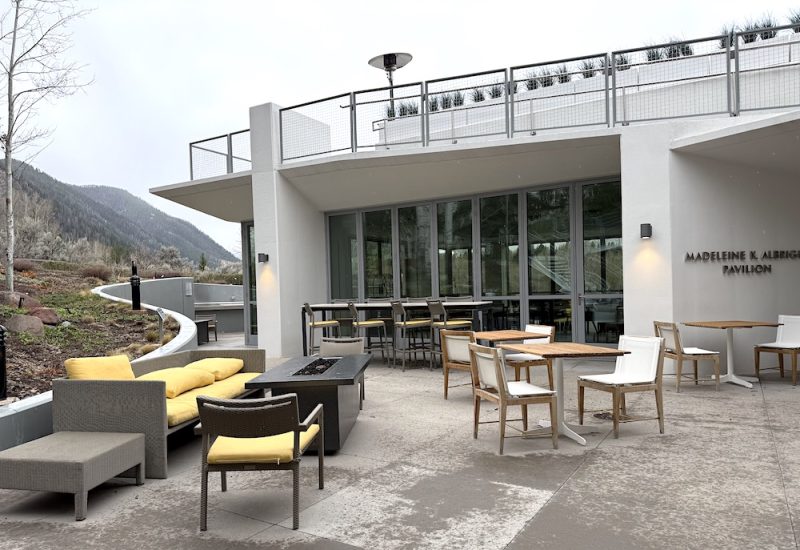
The Aspen Institute, which owns the property and has been operating here for 75 years as one of the country’s foremost think tanks, built the Meadows to give itself a physical home, a place where visitors could, in the original framing, escape their hurried lives and reflect on their values and role in society.
The Resnick Center for Herbert Bayer Studies makes the case for Bayer as one of the more consequential design figures in American cultural history. He left Europe for the United States and found in Aspen the ideal canvas as the earth mounds on the property remain proof. The first earthwork sculptures of their kind in the United States, they play positive and negative space against each other in ways that feel both ancient and entirely modern.
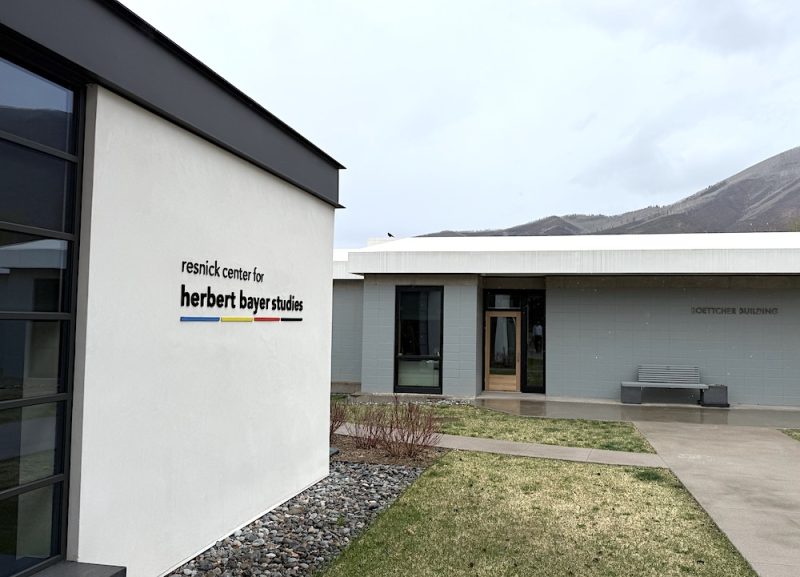
The Salamander Collection took over resort management in 2022 and has been updating the 98-suite property carefully — total room renovation in 2023, a new restaurant and café in 2024 (both resplendent) — without disturbing what Bayer designed. The museum is moderate in size, well-considered, fully staffed, and admission is complimentary. A welcomed respite indeed.
—Resnick Center for Herbert Bayer Studies at Aspen Meadows Resort: open daily noon–5 p.m., free admission. aspenmeadows.com
